Rubbish removal guide for Twickenham Stadium events
Posted on 27/07/2026
Rubbish Removal Guide for Twickenham Stadium Events
If you are planning a matchday activation, hospitality suite refresh, concert setup, or post-event clear-down near Twickenham Stadium, rubbish removal can become the quiet problem that causes the loudest headaches. Bins fill fast. Cardboard piles up. Broken packaging, cable ties, old signage, food waste, and temporary furniture all seem to appear at once. And after a full stadium event, the last thing anyone wants is a slow, messy exit with waste still sitting around.
This Rubbish removal guide for Twickenham Stadium events is here to make the whole process easier to think through. We will cover what needs removing, how event waste clearance usually works, which mistakes create delays, and how to keep things tidy, compliant, and practical from setup to final sweep. No fluff. Just the useful stuff that helps you get the job done properly.
Why Rubbish removal guide for Twickenham Stadium events Matters
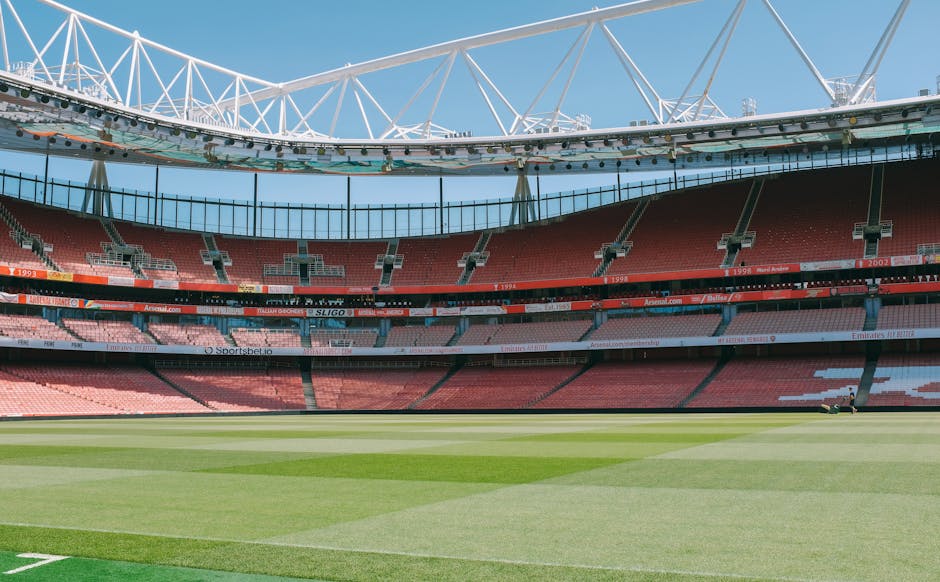
Twickenham Stadium events create a very specific kind of waste environment. It is not quite like a standard office clearance, and not quite like a building site either. You have high footfall, time pressure, security controls, temporary structures, food and drink waste, branded materials, and often a strict window for getting everything out before the next activity begins.
That matters for three reasons. First, waste left in the wrong place can affect safety. Loose packaging in corridors, spilled drinks, or stacked refuse bags near walkways are easy trip hazards. Second, it affects presentation. If you are hosting sponsors, clients, or VIPs, a cluttered back-of-house area can undermine the whole feel of the event. Third, it affects operations. The longer waste lingers, the harder it gets to separate, remove, and recycle efficiently.
There is also a reputational side to this. Event teams in London, quite reasonably, want to look organised. A tidy exit says a lot. It says planning was good, the team cared, and the site was left properly. Let's face it, people notice these details even when they do not mention them.
Expert summary: Event rubbish removal works best when it is treated as part of the event plan, not as an afterthought. The cleaner the setup, the smoother the clear-down. Simple, but true.
If you are managing wider commercial waste needs around a venue or hospitality operation, it can help to look at commercial waste removal in Twickenham and the broader services overview for context.
How Rubbish removal guide for Twickenham Stadium events Works
In practice, event rubbish removal is a structured process. You identify the waste streams, decide where waste will be stored during the event, and then arrange collection at the right time. For stadium events, timing is everything. A collection that is too early can interrupt setup. Too late, and waste can block access routes or pile up after the crowds leave.
Most event waste can be grouped into predictable categories:
- Packaging waste: cardboard, shrink wrap, plastic film, pallets, tape, and product packaging
- Food and drink waste: disposable cups, bottles, food leftovers, napkins, and catering packaging
- Operational waste: signage, temporary barriers, event printouts, display materials, and worn consumables
- Furniture and equipment waste: damaged tables, chairs, staging parts, counters, and display fixtures
- Special items: white goods, AV equipment, or bulky items that need careful handling
The actual removal process normally follows a simple pattern: assess, segregate, load, remove, and dispose or recycle. The tricky bit is not the moving; it is the planning around access, timing, and site rules. If you have ever watched a team trying to wheel bags across a busy service route at 11:45 pm, you will know exactly what we mean. It gets chaotic quickly.
For bulky or awkward items, services such as waste clearance in Twickenham or rubbish collection in Twickenham are often a better fit than trying to manage everything internally.
Key Benefits and Practical Advantages
Good rubbish removal is not just about making a site look neat. It has practical benefits that ripple through the rest of the event.
- Safer walkways and work areas: fewer trip hazards, less clutter, and less risk around loading bays or back corridors.
- Faster turnaround: with the right collection plan, you can clear the space quicker between events or after breakdown.
- Better recycling: separating cardboard, metals, plastics, and general waste from the start makes recycling more realistic.
- Less stress for staff: nobody wants to be hunting for somewhere to put waste bags when the event is already in full swing.
- Cleaner public image: whether the waste is front-of-house or behind the scenes, a tidy operation feels more professional.
There is another advantage that often gets missed: waste planning helps you estimate what materials you actually use. After a few events, you start spotting patterns. Maybe you over-order printed material. Maybe the catering team generates more cardboard than expected. Maybe those temporary furniture pieces are never reused. That insight can save money later, even if it is not obvious on day one.
Where furniture or fixtures are being replaced as part of the event build or breakdown, it may also be useful to review furniture removal in Twickenham and furniture disposal in Twickenham.
Who This Is For and When It Makes Sense
This guide is for anyone involved in event planning, operations, or venue support around Twickenham Stadium. That could be a small team or a fairly large one, and frankly the waste problems are similar either way.
- Event organisers managing concerts, brand activations, launches, or hospitality events
- Catering teams handling packaging, food waste, and service-area clean-downs
- Production crews dealing with equipment packaging, cable waste, and temporary structures
- Venue support teams who need quick clearances before or after an event
- Commercial tenants and suppliers using the surrounding area for temporary operations
It makes the most sense when waste cannot simply be left for standard collection. That usually includes large volumes, bulky items, mixed waste types, or tight turnaround windows. It is also a sensible choice when you want one coordinated removal rather than several separate trips by different people, which often becomes messy very quickly.
If your event setup overlaps with office-style operations, the content on office clearance in Twickenham can also be surprisingly relevant, especially for temporary admin spaces, sponsor suites, and pop-up work areas.
Step-by-Step Guidance
Here is the simplest way to handle event rubbish removal near Twickenham Stadium without overcomplicating it.
- Map the waste before the event starts. Walk the site and identify where packaging, food waste, bulky items, and mixed rubbish will appear.
- Assign bins or holding points. Put bags, skips, cages, or temporary storage points where staff can actually reach them. Not somewhere "ideal" on paper. Somewhere usable in real life.
- Separate recyclable materials early. Cardboard and clean packaging are much easier to handle if they are not mixed with food waste.
- Schedule removal around access windows. Stadium events often depend on tight vehicle access and restricted movement periods, so timing has to be thought through.
- Brief the team. A five-minute waste briefing can prevent a lot of confusion later. Who empties what, who stacks what, and where does it go?
- Carry out a post-event sweep. Do not just remove the obvious bags. Check under tables, behind barriers, and around temporary fixtures. That is where the little messes hide.
- Confirm disposal and recycling. Make sure waste has been transferred to a licensed carrier and handled appropriately.
A common real-world example: a hospitality team finishes service, and ten minutes later the back corridor is full of flattened boxes, food tubs, broken display packaging, and two wobbly chairs no one claimed. If there was no clear plan, that pile grows. If there was a plan, it clears in one calm pass. Quietly. No drama.
For fast removals when the volume changes suddenly, a local Twickenham rubbish collection option can be especially useful.
Expert Tips for Better Results
These are the practical things that tend to make the biggest difference.
- Use clearer labels than you think you need. "Cardboard only" beats "recycling" every time.
- Keep one person responsible for waste decisions. Shared responsibility often means nobody is really in charge. That gets messy.
- Plan for the ugly waste too. Not just the neat boxes. Think broken pallets, bent signage, wet bags, and mixed debris.
- Leave space for the full bags. Half-empty collections slow everything down if they have nowhere to sit.
- Take photographs before and after. Even a few quick photos help with internal reporting and lessons learned for the next event.
One small but valuable habit: put a final waste check on the same list as venue handback, not after it. That tiny scheduling change can save an hour. Sometimes more. And yes, people still forget it, even when they swear they won't.
If you are expecting bulky stock, display units, or old venue furniture to be swapped out, then Twickenham furniture disposal is worth considering alongside general waste removal.
Common Mistakes to Avoid
Most event waste problems are not caused by one huge failure. They come from a series of small oversights. The good news is that most of them are avoidable.
- Waiting until breakdown day to think about waste. That usually means too many bags, too little space, and a rushed decision.
- Mixing recyclable and non-recyclable waste. Once everything is mixed, recycling becomes much harder.
- Ignoring access restrictions. Big vehicle plans that do not match venue timings are a classic headache.
- Forgetting bulky items. Temporary furniture, broken fixtures, and packaging crates often need more than a standard bin solution.
- Not checking carrier compliance. Waste should go with a licensed operator, not just whoever has a van and a free afternoon.
Another common slip is underestimating how quickly waste appears during hospitality service. A tray of drinks, a few rounds of food service, a rush between sessions, and suddenly the bags are full. It happens fast. Very fast.
Tools, Resources and Recommendations
You do not need a complicated system, but you do need the right basics.
| Tool or approach | Best for | Why it helps |
|---|---|---|
| Clearly labelled bins | Front-of-house and catering areas | Makes sorting easier and reduces contamination |
| Heavy-duty sacks | Mixed rubbish and compactable waste | Helps contain waste safely during busy periods |
| Waste staging area | Back-of-house clear-downs | Creates a single place to gather waste before collection |
| Manual pickup checklist | Final sweeps | Stops small items being left behind |
| Licensed waste removal provider | Bulk clearances and timed collections | Supports compliant and efficient disposal |
For venue or event waste, the service pages on waste disposal in Twickenham and rubbish collection in Twickenham are useful starting points when you are comparing the most practical approach.
If your event produces mostly commercial waste rather than mixed one-off rubbish, you may also want to review commercial waste removal in Twickenham and the company's approach to recycling and sustainability.
Law, Compliance, Standards, or Best Practice
For event rubbish removal in the UK, the exact legal duties can depend on the waste type, who produced it, and who is moving it. So it is wise to be careful here rather than casual. In general, event organisers should expect to use a licensed waste carrier for collection and disposal, and to make sure waste is handled responsibly and traceably.
Best practice usually includes:
- Using a properly licensed waste carrier for removal and transfer
- Keeping waste streams separate where practical, especially recyclable materials
- Storing waste safely so it does not block access routes or create hazards
- Following site rules for loading, parking, and access
- Documenting collection details for internal records and event reporting
It is also sensible to think about safety. Heavy items need two-person handling if needed. Wet floors and tight corridors deserve caution. And if there are electrical items, sharp materials, or anything that looks unusual, it should be handled with a bit more care than the average bin bag.
For reassurance around operator standards, you may want to review waste carrier licence and compliance, as well as the company's insurance and safety information.
Options, Methods, or Comparison Table
Different event waste situations call for different methods. The best choice depends on volume, timing, and the type of waste involved.
| Method | Best for | Pros | Watch out for |
|---|---|---|---|
| Scheduled bag collection | Small to medium waste volumes | Simple and easy to organise | Can become inefficient if waste volume spikes |
| Bulk rubbish clearance | Post-event breakdowns and mixed waste | Fast, practical, and less disruptive | Needs clear access and loading space |
| Segregated recycling pickup | Cardboard, clean packaging, and sorted waste | Better recycling outcomes | Requires discipline from the team |
| Bulky item removal | Furniture, counters, fixtures, and equipment | Handles awkward items safely | May need earlier booking and access planning |
Truth be told, most stadium event teams use a mixture of methods rather than just one. That is normal. A bit of bag collection here, a bulky-item pickup there, and a final clear-down at the end tends to work well.
Case Study or Real-World Example
Imagine a two-day event around Twickenham Stadium with hospitality furnishings, printed signage, catering packaging, and some temporary back-of-house equipment. On day one, the waste seems manageable. A few boxes, a handful of bags, the usual. By the end of day two, however, there is more than anyone expected: flattened cardboard, damaged display materials, a couple of broken chairs, and mixed rubbish from late service.
The team that handles it best does not wait until the final hour. They set a waste staging point before the first guests arrive, separate cardboard as it appears, and book a removal window that matches the breakdown schedule. During the final sweep, one person checks corners, another handles bags, and a third confirms that bulky items are not being accidentally left behind.
The result is a cleaner handback, fewer frantic decisions, and a site that feels ready for the next phase rather than half-finished. Not glamorous, maybe. But incredibly effective.
In that situation, a combination of waste clearance and furniture removal usually makes more sense than trying to force everything into one generic bin solution.
Practical Checklist
Use this as a quick pre-event and post-event reference.
- Confirm the event waste types in advance
- Identify recycling, general waste, and bulky-item streams
- Choose a staging area that does not block access routes
- Brief staff on where waste goes and who is responsible
- Book collections to fit setup and breakdown timings
- Keep pathways clear and bags secured
- Separate clean recyclables from contaminated waste
- Check for hidden waste after the event ends
- Use a licensed provider for transport and disposal
- Review what worked before the next event
If you need a broader clean-out beyond event waste, services like house clearance and loft clearance can be useful for larger mixed-item clearances, though they are more relevant to property work than stadium operations.
Conclusion
Twickenham Stadium events move quickly, and rubbish builds up just as quickly. The smartest approach is simple: plan for waste early, sort it where you can, remove it in line with access and timing constraints, and work with a provider that understands the practical side of event clear-downs. That keeps your team calm, your site cleaner, and your handover smoother.
Whether you are dealing with packaging, food waste, furniture, or a mixed post-event pile that seems to have appeared from nowhere, the right rubbish removal plan makes a real difference. It saves time, reduces risk, and helps the event finish as neatly as it began.
Get a free quote today and see how much you can save.
And if you are building a repeat process for future events, keep notes on what worked. Small improvements add up. That is usually how the best event operations get better, one tidy handback at a time.