St Margarets high street rubbish clearance tips
Posted on 02/09/2026

If you are dealing with overflowing bags, broken furniture, shop waste, or an end-of-day clear-out near St Margarets High Street, the job can feel oddly bigger than it looks. Traffic is tight, pavements get busy fast, and one poorly timed pile of rubbish can turn into a nuisance for customers, neighbours, and your own schedule. These St Margarets high street rubbish clearance tips are designed to help you clear waste more safely, more neatly, and with far less stress.
The aim here is simple: make rubbish clearance practical. Whether you are a homeowner, a shop owner, a landlord, or a contractor handling a small strip of commercial waste, the smartest approach is usually the one that keeps disruption low and compliance high. Let's walk through what works, what to avoid, and how to plan the whole thing without overcomplicating it.
Quick takeaway: the best rubbish clearance on a busy high street is planned, sorted, timed well, and handed to a properly licensed waste carrier when needed. Simple on paper, but that small bit of organisation makes a huge difference in real life.
Why St Margarets high street rubbish clearance tips Matters
St Margarets High Street has the sort of everyday rhythm that makes waste management a little tricky. People are popping in and out of shops, deliveries are arriving, pedestrians are weaving past parked cars, and you do not get much forgiving space if rubbish is left in the wrong place for too long. One extra sack on the pavement may not sound like much. In practice, it can block access, look untidy, and invite complaints before lunch.
Good clearance tips matter because they protect three things at once: safety, presentation, and efficiency. On a local high street, those are closely connected. A tidy frontage helps customers feel welcome. A clear path reduces trip hazards. A well-planned collection can also prevent repeat handling, which is where a lot of wasted time happens.
There is another point people sometimes miss. High street waste is often a mix of different materials: cardboard, mixed rubbish, old fixtures, broken shelves, food packaging, garden cuttings from rear areas, and maybe a bit of builders waste from a refit. If you treat it all the same way, the job becomes messier and potentially more expensive. Sorting first saves effort later. To be fair, it also makes the whole thing feel less like a wrestling match with black bags.
How St Margarets high street rubbish clearance tips Works
At its simplest, rubbish clearance follows a clear pattern: identify the waste, separate the waste, move it safely, and dispose of it through the right route. The details depend on volume, waste type, access, and whether the job is domestic, commercial, or mixed-use.
For a high street setting, the process usually looks like this:
- Survey the waste - check what you actually have, not just what it looks like from the doorway.
- Separate reusable, recyclable, and general waste - cardboard, metals, wood, furniture, WEEE items, and mixed waste often need different handling.
- Check access - think about parking, loading distance, narrow entrances, and whether the waste must be carried through a public area.
- Choose the right collection method - man-and-van style clearance, scheduled collection, or a larger removal job for bulkier waste.
- Load safely and neatly - heavier items first, sharp items secured, bags tied, and loose debris contained.
- Dispose responsibly - ideally through a licensed waste carrier with a clear disposal route.
If you are arranging a larger clear-out, it can help to compare broader service options first. For example, the site's services overview gives a useful sense of how different clearance needs can be handled, while waste clearance in Twickenham is a practical fit when the job is more than just a couple of bags. If the waste is more specifically mixed household clutter, rubbish collection in Twickenham may be the more direct route.
And yes, the logistics matter more than people expect. A 20-minute job can become a slow, awkward afternoon if the waste is not staged properly. That is usually where the small tips pay off.
Key Benefits and Practical Advantages
Clear, well-planned rubbish removal does more than make things look tidy. It can change the whole mood of a premises. You notice it especially on a busy day, when the frontage is the first thing people see.
- Better kerb appeal - a clean frontage looks cared for and professional.
- Lower disruption - less carrying back and forth, fewer awkward bottlenecks.
- Reduced safety risk - fewer loose items, trip hazards, and blocked access points.
- More efficient sorting - recyclable material is easier to separate before it gets mixed.
- Less stress for staff or household members - nobody enjoys stepping over bags all day.
- Cleaner handover - particularly useful before a tenancy change, refit, or inspection.
There is also a commercial benefit that gets overlooked. For shopfronts, cafes, salons, offices, and small trades premises, poor waste handling can make a business feel chaotic even when the work itself is excellent. A neat clear-out supports the image you are already trying to build.
For furniture-heavy jobs, it can help to use targeted help such as furniture removal or furniture disposal rather than treating bulky items as general waste. The same logic applies to old appliances; white goods and appliance disposal is usually a better fit than letting a fridge or washing machine sit around while you figure it out.
Who This Is For and When It Makes Sense
This topic is not just for people with skip-sized problems. In fact, a lot of the smartest waste decisions happen at a smaller scale, where planning saves a surprising amount of hassle.
You will usually find these tips helpful if you are:
- a homeowner clearing a front room, loft, or hallway near the high street
- a landlord between tenancies and dealing with leftover rubbish
- a local shop owner managing cardboard, packaging, or old fixtures
- a contractor finishing a light refurbishment and facing mixed waste
- a cafe, salon, or office wanting a cleaner, safer back-of-house area
- a resident who simply wants to get rid of bulky items without dragging the process out
It also makes sense when timing is tight. Maybe you have a delivery due, an inspection coming up, or a weekend when the area is busier than usual. In those situations, the best move is often to get the waste off-site quickly and neatly rather than letting it linger in stages.
If the rubbish comes from a workplace, you may also want to think commercially. Commercial waste removal in Twickenham is a sensible option for businesses that need a more regular or structured approach. For office-specific jobs, office clearance may be the better match.
Step-by-Step Guidance
Here is a straightforward way to handle a rubbish clearance job near St Margarets High Street without making it harder than it needs to be.
1. Walk the site first
Before lifting anything, look at the access route. Where will items come from? Is there a tight doorway, a narrow alley, a flight of stairs, or a busy pavement outside? This first walk-through often reveals the real challenge. Not the waste itself. The route.
2. Separate the waste into sensible piles
Try to group items by type: bags, cardboard, furniture, metal, wood, appliances, and general mixed rubbish. Even a rough sort helps. If everything gets dumped into one heap, loading becomes slower and more chaotic.
3. Pull out anything reusable or recyclable
Some items can be reused, repurposed, or recycled if handled properly. Cardboard should not be buried under damp waste. Furniture that is still usable may need a different route from broken items. You do not need a perfect system, just a bit of judgement.
4. Protect the walkways
Keep the public route as clear as possible. Use bags that are closed, stack items so they cannot topple, and avoid leaving sharp edges exposed. If the load must pass through shared access, that is the point where care really matters.
5. Time the collection properly
Morning can be calmer for some jobs, while other properties work better after the main rush. There is no universal rule, but a busy high street tends to punish poor timing. A slightly earlier start often saves a headache.
6. Load in the right order
Heavy items should go in first, with lighter waste used to fill gaps. This is practical, not decorative. It helps stability, reduces movement in transit, and makes the final load less likely to shift around.
7. Confirm disposal and paperwork if needed
If the clearance is more than a small household tidy-up, keep a record of what was removed and who took it. That is especially useful for businesses and landlords. It is one of those dull tasks that feels optional until it is suddenly very useful.
Expert Tips for Better Results
Here are the little details that tend to separate a smooth clearance from a fiddly one.
- Stage items near the exit, not all over the property. It keeps the job moving.
- Use smaller bags if the route is tight. Two lighter bags are often easier than one overstuffed one.
- Keep liquids out of mixed waste. Damp waste is awkward, heavier, and harder to manage.
- Break down cardboard early. It saves space and avoids the classic oversized-box problem.
- Set aside awkward items first. Mattresses, broken shelving, and appliances usually cause delays if left to the end.
- Ask about loading access in advance. That one conversation can prevent a lot of on-the-day confusion.
Here is a practical one from experience: if a job looks like it will need three trips, plan for four. That sounds pessimistic, but it is just realistic. You avoid rushing, and rushing is where things go sideways. A bent shelving unit, a torn bag, a scuffed wall... nobody wants the aftermath.
Also, don't underestimate the value of proper sorting before collection. A few extra minutes with a sensible layout can save a much longer scramble later. Honestly, it is the easiest win on the board.
Common Mistakes to Avoid
People usually get into trouble by underestimating either the volume of waste or the complexity of access. Both are common. Both are fixable.
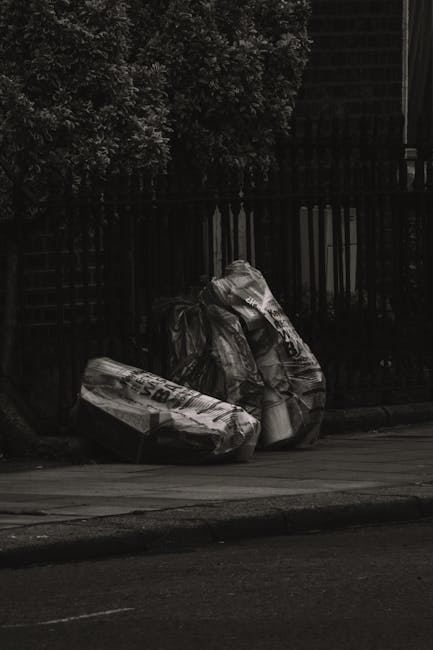
- Leaving bags on the pavement too early - that can create clutter, attract attention, and become a nuisance.
- Mixing everything together - once waste is blended, sorting gets slower and less efficient.
- Ignoring weight and lifting safety - a heavy box is no joke when you are turning a corner or descending steps.
- Forgetting about sharp or hazardous items - broken glass, paint tins, chemicals, and damaged electrics need care.
- Choosing the cheapest option without checking standards - cheap can be fine, but only if the disposal route is legitimate and responsible.
- Not planning for bulky waste - furniture and appliances take up disproportionate space.
The most frustrating mistake is probably the last one. A room can look almost empty and still generate a huge pile of waste once you start moving things. That is why a quick pre-check is so useful.
Tools, Resources and Recommendations
You do not need fancy kit to clear rubbish well, but a few basics help a lot.
| Tool or resource | Why it helps | Best use case |
|---|---|---|
| Heavy-duty bin bags | Reduces splitting and makes handling easier | General household and mixed waste |
| Gloves and sturdy footwear | Protects hands and feet during lifting | All clearance jobs, especially mixed waste |
| Trolley or sack truck | Makes bulky items easier to move | Furniture, boxes, and heavier loads |
| Labels or marker pen | Helps separate recyclable and general waste | Businesses and multi-room clear-outs |
| Measuring tape | Useful for checking furniture or appliance size | Bulky-item removals and access planning |
| Licensed clearance support | Reduces disposal risk and saves time | Anything beyond a very small domestic load |
If you are planning to clear a lot of mixed waste, it can help to look at waste disposal in Twickenham as a broader option. If the job includes loft clutter, loft clearance is worth considering because attic waste often turns out to be heavier and dustier than expected.
For jobs involving outdoor cuttings or green waste from rear access areas, garden waste removal can be more efficient than mixing everything into a general load. If the waste comes from a building project, then builders waste disposal is usually the better route.
Law, Compliance, Standards, or Best Practice
For rubbish clearance in the UK, the safest approach is to use proper waste handling practice and a licensed carrier where appropriate. You do not need to memorise legislation to make a sensible decision, but you do need to avoid passing waste to someone who cannot show they are authorised to take it.
A few good habits go a long way:
- Ask who is taking the waste and where it is going.
- Keep records for business and landlord clear-outs.
- Separate hazardous or specialist items. This includes anything that could contaminate general waste.
- Do not assume every collection service handles every item. Appliances, heavy furniture, and mixed construction waste may need different handling.
- Take care with blocked access, public areas, and manual handling. Safety first, frankly.
If you are comparing providers, it is sensible to check compliance details as part of the decision. A page such as waste carrier licence and compliance can help set expectations. For reassurance around careful handling, insurance and safety is also relevant. If you want to understand a business a little better before booking, about us is a useful place to start.
One small but important point: if something sounds unclear in a quote or collection plan, ask. A good provider should be able to explain the process in plain English. If they cannot, that is a signal in itself.
Options, Methods, or Comparison Table
There is no single right way to clear rubbish on St Margarets High Street. The best method depends on volume, timing, and how much lifting you want to do yourself.
| Method | Best for | Pros | Trade-offs |
|---|---|---|---|
| Self-clearance | Very small loads, a few bags, light items | Low upfront cost, quick if you already have transport | Time-consuming, more lifting, disposal risk if not done properly |
| Scheduled collection | Regular waste, mixed household or business rubbish | Predictable, convenient, less disruption | Needs planning and timing |
| Bulky-item removal | Furniture, appliances, awkward single items | Reduces strain and saves space | May cost more than a very small job |
| Full waste clearance | Lofts, refurb clear-outs, mixed heavy loads | Efficient, thorough, usually best for bigger jobs | Requires a clearer brief and more site access planning |
For many people, the decision comes down to this: do you want to spend your afternoon moving rubbish, or do you want it handled in one organised pass? There is no shame in either answer. Really.
If the job involves a business frontage, a seasonal clean-up, or stockroom clutter, the more structured route is often easier in the long run. A one-off clear-out can be supported by pricing and quotes when you want a clearer sense of the options before committing.
Case Study or Real-World Example
Imagine a small St Margarets shop preparing for a weekend refit. By late afternoon, the back area has cardboard boxes, an old display shelf, a broken chair, a few mixed bags, and packing material that somehow keeps multiplying. The pavement outside is already busy, and the owner wants everything gone before opening the next morning.
The most practical approach is not to drag items out piecemeal as they are found. Instead, the team would:
- sort cardboard separately so it does not get crushed under heavier waste
- move the bulky chair and shelf to one staging point
- keep the walkway clear while loading
- treat the mixed bags last, once the awkward items are gone
- finish with a quick sweep so the frontage looks calm, not chaotic
That kind of job is exactly where the little details matter. It is not dramatic, but it is real. A tidy finish helps the next morning start smoothly, and nobody is opening up to a messy doorstep at 8:00 a.m. on a busy street. Been there, done that, not fun.
For larger household clear-outs that have a similar mix of furniture and general clutter, house clearance is often the cleanest route. If the job is mainly old tables, wardrobes, or seating, Twickenham furniture disposal may fit better than a broader clearance service.
Practical Checklist
Use this before collection day. It keeps the whole job from drifting.
- Confirm what waste needs removing and what can stay
- Separate cardboard, furniture, appliances, and general rubbish
- Check the access route from property to vehicle
- Move items to one sensible staging area
- Protect walls, door frames, and walkways where needed
- Set aside anything sharp, wet, or awkward
- Check whether the collection service is suitable for the waste type
- Keep notes or photos if the job is for a business, landlord, or tenant handover
- Make sure the pavement or shared space stays clear for others
- Do a final sweep once the waste has gone
Small tip: take a quick photo before and after. Not for show. Just for your own sanity if questions come up later.
Conclusion
Clearance on or around St Margarets High Street works best when it is treated as a planning job, not just a lifting job. Sort first, move carefully, choose the right service for the waste you actually have, and keep an eye on access and compliance. That is really the heart of it.
The good news is that you do not need to make it complicated. A few straightforward habits can make the difference between a frazzled afternoon and a clean, tidy finish. And once the rubbish is gone, you feel it immediately. The space breathes again. The frontage looks better. The whole place settles down a bit.
If you are ready to take the next step, the most useful move is to match the waste type to the right clearance option and get a clear, no-fuss quote.
Get a free quote today and see how much you can save.